
Garbage Disposals
A garbage disposal (also called a waste disposal unit) is a compact, motorized appliance installed beneath your kitchen sink, between the drain opening and the plumbing trap. Its job is simple but essential: grind up food waste into tiny particles so it can be safely washed down the drain, reducing the risk of clogs and helping keep your kitchen cleaner and more efficient.
By breaking down food scraps before they enter your pipes, a garbage disposal not only streamlines your kitchen cleanup but also helps protect your plumbing system and can even reduce the amount of food waste ending up in landfills. It’s one of those behind-the-scenes devices that you barely notice, until it stops working.
Because a disposal combines plumbing, mechanical, and electrical elements in a single unit, it’s more complex than it appears. Over time or with improper use, a variety of issues can develop, including:
- Motor burnout or electrical faults: The motor inside the disposal powers the grinding plate. Overuse, age, or wiring problems can cause it to fail or trip breakers.
- Physical jamming or obstruction: Bones, fruit pits, silverware, or fibrous foods can wedge between the impellers and grinding plate, preventing the unit from spinning.
- Leaks from seals or mounting connections: The flange at the top of the disposal, the drain connection, or the body itself may develop leaks if seals degrade or bolts loosen.
- Clogs downstream in drain lines: Even if the disposal works, food particles and grease can build up further down the pipes, slowing or blocking drainage.
- Internal wear over time: Just like any appliance, disposals wear out. Blades dull, seals crack, and electrical parts age, leading to decreased performance or failure.
Understanding how a garbage disposal works and the common problems it faces can help you spot early warning signs, such as unusual noises, odors, leaks, or frequent clogs, and decide whether a quick repair will do the trick or if it’s time for a full replacement.
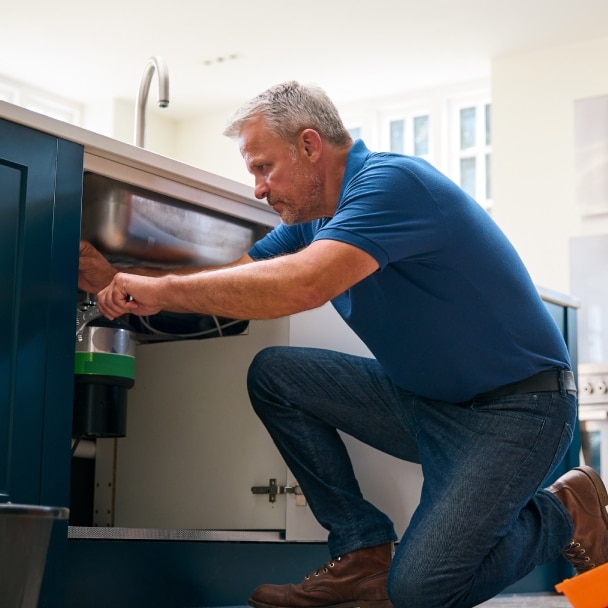
Common Garbage Disposal Problems (And How to Handle Them)
Garbage disposals are built to be durable, but like any appliance, they can run into trouble, especially with frequent use. Below are some of the most common issues homeowners encounter, along with insights into what’s likely going on and how you might respond.
The Disposal Won’t Turn On
If your garbage disposal is completely unresponsive, no sound, no vibration, it’s often due to an electrical issue. A tripped circuit breaker, a blown fuse, or a triggered internal reset button are typical culprits. Sometimes, a faulty wall switch or a loose wire inside the unit could also be to blame.
Start by confirming that the unit is securely plugged in. Check your home’s electrical panel for any tripped breakers and reset them if needed. Most disposals also have a reset button on the bottom of the unit, press this and see if power is restored. If the outlet itself doesn’t seem to work, the issue may lie in the wiring, in which case professional service is recommended.
The Motor Hums But Nothing Moves
When you hear a humming noise but the disposal doesn’t grind, it usually means the internal components are jammed. Foreign objects, such as bones, silverware, or fibrous food waste, may have become lodged in the grinding mechanism, preventing it from spinning.
In this situation, turn off power to the unit at the breaker for safety. Underneath most disposals is a small hex-shaped opening, this allows you to manually rotate the grinding plate using an Allen wrench. Gently rocking the plate back and forth can often free whatever’s stuck. If an object is visibly lodged, remove it carefully using pliers or tongs (never your hand).
The Disposal Runs But Doesn’t Grind Effectively
Sometimes, a disposal will run, but not well. If food scraps aren’t being broken down completely or are left partially ground in the chamber, the issue may be dull blades or internal wear.
This can happen over time, especially with frequent use or if large or inappropriate items have been processed. Try feeding food waste in smaller amounts while running cold water steadily. If grinding performance doesn’t improve, the unit may need internal service or, in some cases, replacement.
Water Leaks Under the Sink
Leaks are another common issue and can occur at several points in the system. If you notice water under the sink or around the disposal, the source could be a loose mounting ring, a failed seal at the flange, a cracked disposal housing, or a leak at the drain pipe connection.
Inspect the disposal while running water to pinpoint where the leak begins. If it’s around the top flange, resealing it with plumber’s putty may solve the issue. If it’s coming from a hose connection or the side of the disposal, tightening the clamps or replacing a gasket might be enough. Leaks from the bottom of the unit, however, usually indicate internal failure, and likely require replacement.
The Sink Is Slow to Drain or Backs Up
A properly working disposal should help water drain smoothly. If your sink is draining slowly or backing up, there may be a clog in the drain line beyond the disposal itself. Even if the disposal grinds properly, grease, food particles, or other debris can build up in the P-trap or further down the pipe.
If you feel confident, you can detach and inspect the P-trap under the sink. Use a bucket to catch any water and a small plumber’s snake or auger to clear any blockages. Be cautious when handling drain components, and call a professional if you’re unsure or if the clog is persistent.
Foul Odors Coming From the Disposal
Bad smells coming from your garbage disposal are typically caused by food particles and residue stuck inside the chamber. These materials break down over time, leading to bacteria buildup, slime, and unpleasant odors.
A simple way to freshen the disposal is to pour in a half-cup of baking soda followed by a cup of vinegar. Let the mixture sit for 10–15 minutes, then rinse with hot water. Grinding ice cubes with citrus peels can also help clean the blades and leave a fresh scent. Avoid using bleach or harsh chemical cleaners, as they can damage internal components.
Garbage Disposal Replacement & Installation
While repairs can often restore a garbage disposal to working order, they’re not always the most practical or cost-effective solution, especially if the unit is older or has experienced significant wear. In some cases, replacing the disposal is the better long-term option, providing improved performance, fewer future issues, and peace of mind.
H5: A replacement may be the right move if:
- The disposal is more than 10 to 15 years old and frequently breaks down. Over time, motors wear out, internal parts corrode, and seals deteriorate, making repairs less reliable.
- The motor has burned out or the internal mechanisms are no longer functioning properly. If the unit hums but doesn’t spin, or if it regularly jams, it may be nearing the end of its life.
- You discover leaks coming from inside the body of the unit. Cracks in the housing or failed internal seals typically can’t be repaired.
- Replacement parts are difficult to source or nearly as expensive as a new unit. In many cases, installing a new disposal costs about the same, or less, than repairing an old one.
- You want to upgrade to a higher-powered or quieter model. Newer disposals are more efficient, better at grinding tough food scraps, and often feature improved sound insulation and safety features.
At Paynes Plumbing & Electric, we don’t believe in unnecessary upsells. Our team will evaluate your current disposal, explain the condition in clear terms, and help you compare the costs and benefits of repairing versus replacing. If replacement is the smarter option, we’ll handle the full installation, safely, cleanly, and up to local Knoxville plumbing and electrical codes, so your kitchen gets back to running smoothly with minimal disruption.

Garbage Disposal Installation
Installing a new garbage disposal, or replacing an old one, isn’t just a matter of connecting a few pipes. It involves precise alignment, safe electrical work, and compliance with plumbing codes. Whether you’re upgrading your kitchen or replacing a failing unit, professional installation ensures everything is done correctly, efficiently, and up to code.
Pre-Installation Planning
Before the new unit is even unpacked, several key decisions and checks need to happen:
- Electrical Requirements: Most garbage disposals run on a standard 120-volt grounded circuit. However, some homes may need upgraded wiring or a dedicated circuit, especially for higher-horsepower models. If your current setup doesn’t include a grounded outlet or switch, an electrician may need to make changes.
- Local Codes & Permits: Depending on your area, including Knoxville and surrounding regions, certain installations may require permits or additional safeguards like air gaps or backflow prevention devices. A licensed professional ensures all local regulations are followed.
- Choosing the Right Size: Garbage disposals come in various horsepower ratings. For a typical household, ½ HP is usually sufficient, but larger families or frequent cooks may benefit from a ¾ or 1 HP unit for more power and durability.
- Mounting Compatibility: Most disposals use either a standard three-bolt flange or an EZ mount system. It’s important to match the new unit to your sink’s existing configuration, or you may need to adjust the mount or install a new flange.
- Space & Clearance: Not all disposals fit every kitchen cabinet setup. The height of the unit, location of drainpipes, and presence of a dishwasher connection all affect installation feasibility.
What the Installation Involves
A typical garbage disposal installation includes several precise steps:
- Power Off and Workspace Prep: The installer begins by shutting off power to the disposal circuit and clearing the area beneath the sink to allow safe access.
- Removal of Old Disposal (if applicable): If replacing an existing unit, the old disposal is disconnected from the plumbing and electrical systems, then detached from the sink mount.
- Installing the Sink Flange and Mounting Assembly: A fresh bead of plumber’s putty is applied around the sink drain opening. The new sink flange and mounting hardware are secured from underneath, forming a watertight seal.
- Wiring the Disposal: The new disposal is connected to power, either by hardwiring or plugging into a nearby grounded outlet, following all electrical codes for grounding, polarity, and insulation.
- Connecting the Drain Lines: The discharge tube is connected to the P-trap and, if applicable, the dishwasher drain line. Gaskets, seals, and hose clamps are installed to prevent leaks.
- Testing for Functionality: Once the disposal is mounted, powered, and connected, cold water is run through the unit while it’s tested under load. The installer listens for unusual sounds, watches for vibrations or leaks, and checks the drainage flow.
- Final Adjustments and Cleanup: Any necessary fine-tuning is done, including tightening the mounting ring or adjusting alignment with the drain, followed by cleanup of the area and a review of proper usage and maintenance tips with the homeowner.
Hiring a professional isn’t just about convenience, it ensures your garbage disposal is installed safely, quietly, and correctly the first time. At Paynes Plumbing & Electric, we take the extra step of testing for proper drainage, ensuring all seals are tight, and confirming the unit meets local plumbing and electrical standards, so you can enjoy a fully functional kitchen without the worry of leaks, clogs, or compliance issues down the road.
Best Practices & Preventative Maintenance for Garbage Disposals
Like any appliance, a garbage disposal performs best, and lasts longer, when it’s used properly and maintained regularly. Taking a few simple precautions can prevent most of the common problems homeowners face, such as clogs, leaks, and jammed blades. At Paynes Plumbing & Electric, we not only install and repair disposals, we also help our customers keep them running smoothly with practical, long-term care advice.
Here are the best practices we recommend (and follow ourselves):
- Use Cold Water Generously: Always run cold water before turning on the disposal, keep it running while food is being processed, and let it flow for 15–30 seconds afterward. Cold water helps solidify fats and oils so they can be ground up and flushed away, instead of sticking to your pipes.
- Feed Waste Gradually: Overloading your disposal with large amounts of food at once can overwhelm the motor and lead to clogs. Instead, add scraps a little at a time and let the unit fully process one batch before adding more.
- Know What to Avoid: Disposals aren’t meant for everything. Avoid feeding in fibrous vegetables like celery or corn husks, starchy foods like pasta or rice, grease, oil, bones, eggshells, coffee grounds, and fruit pits. These items can dull blades, jam the system, or clog drains.
- Clean It Monthly: Use a natural cleaning combo like baking soda and vinegar, or grind ice cubes and citrus peels to dislodge buildup and remove odors. Avoid chemical cleaners, which can corrode internal components.
- Run It Occasionally: Even if you’re not using the disposal regularly, turn it on once a week with water to keep parts moving and prevent rust or seizing.
- Inspect Connections: Once or twice a year, check that mounting bolts and seals are tight to prevent leaks from forming around the unit.
By following these simple habits, you’ll extend the life of your disposal and reduce the need for emergency plumbing visits.
Why Choose Paynes Plumbing & Electric for Garbage Disposal Services?
When your garbage disposal fails, starts leaking, or simply can’t keep up with your kitchen needs, you deserve fast, reliable service from a team you can trust. At Paynes Plumbing & Electric, we combine expert knowledge with local values to deliver lasting results, whether you need a quick fix, a full replacement, or immediate attention from an emergency Knoxville or Corryton plumber.
Here’s what sets us apart:
- Local, trustworthy team: Based right here in Knoxville, we’re a family-owned business founded by John and Katlin Payne. Our company is built on integrity, fairness, and quality craftsmanship, and we treat every customer like a neighbor.
- Plumbing and electrical expertise under one roof: Garbage disposals involve both plumbing and electrical systems. Our licensed team handles both seamlessly, reducing delays, risks, and the need to coordinate between multiple contractors.
- Code-compliant installations and repairs: We understand the local building codes and plumbing standards that apply to homes in the Knoxville area, ensuring your disposal is installed safely and legally.
- Only quality parts, backed by real warranties: We use reliable, well-reviewed products from trusted brands, and we stand behind our work with clear, honest warranties.
- Prompt, transparent service: Whether it’s a scheduled repair or a call to our emergency plumber after-hours, our team is known for showing up on time, communicating clearly, and offering fair pricing with no surprises.
- Holistic plumbing solutions: If your disposal issue points to a larger plumbing or sewer problem, we can take care of it all, from drain cleaning and repiping services to sewer repair, without bringing in a third party.
From everyday repairs to emergency response, Paynes Plumbing & Electric is here to keep your kitchen running smoothly.
What to Do When Your Garbage Disposal Needs Help
A malfunctioning garbage disposal doesn’t just disrupt your kitchen routine, it can also signal underlying plumbing issues that need professional attention. Whether your unit is leaking, jammed, emitting foul odors, or simply underperforming, taking action early can prevent bigger problems down the line.
Here’s how to move forward:
Start with a quick check:
Review the tips outlined above to see if there’s a safe, DIY fix.
- Try pressing the reset button (usually found on the bottom of the unit)
- Use an Allen wrench to manually rotate the grinding plate if the unit hums but doesn’t spin
- Tighten any loose connections at the sink flange or discharge pipe if you notice minor leaks
Still having issues? Schedule an inspection:
- If basic troubleshooting doesn’t resolve the problem, reach out to Paynes Plumbing & Electric.
- We’ll send a licensed technician to assess the unit and diagnose the issue
- You’ll receive clear, honest recommendations with no high-pressure sales
Need a new disposal? We handle everything:
If a replacement is the best option, we’ll:
- Recommend a unit that suits your kitchen needs and budget
- Handle sourcing, installation, and safe electrical/plumbing connections
- Ensure your new disposal meets local codes and operates flawlessly
Consider preventative maintenance:
- For long-term reliability, ask us about ongoing plumbing maintenance plans.
- Periodic checks can catch small problems before they become major repairs
- We’ll help you extend the life of your disposal and keep your kitchen running smoothly
At Paynes Plumbing & Electric, our goal is simple: provide expert help without the gimmicks. Whether you’re dealing with a minor issue or need urgent service, we’re here to deliver fast, reliable solutions that last
Residential & Commercial Garbage Disposal Repair Service
Frequently Asked Questions
Areas We Serve
Ready to Get Your Garbage Disposal Back in Shape?
Whether your current garbage disposal is making strange noises, leaking under the sink, or simply not keeping up with your kitchen demands, we’re here to help. At Paynes Plumbing & Electric, our experienced team can quickly diagnose issues, recommend the most cost-effective solution, and handle everything from small repairs to full replacements.
Serving Knoxville and surrounding areas, we’re committed to quality work, honest recommendations, and long-term reliability.
Don’t wait for a small issue to turn into a major plumbing problem.
Request a quote, schedule a service visit, or learn more about our garbage disposal solutions today.