
Why Gas Line Repair Matters
Gas line repair isn’t just about restoring function, it’s about protecting your home, your health, and your wallet. Even a small issue with your gas line can have far-reaching consequences, making timely, professional repairs a critical part of home safety and maintenance. Here’s why this service is so important:
Safety Risks
Natural gas is a highly flammable fuel. While it’s normally odorless, utility companies add a chemical that smells like rotten eggs to help detect leaks. If gas escapes into your home, it can accumulate in enclosed spaces and create a highly explosive environment. In addition to the risk of fire or explosion, a gas leak can displace oxygen and lead to carbon monoxide buildup, which is extremely dangerous, and potentially fatal, to humans and pets.
History has shown that neglected or poorly maintained gas lines can cause catastrophic events. From residential explosions to large-scale utility failures, the consequences are real and serious. Repairing leaks and addressing aging gas systems promptly helps prevent these disasters.
Efficiency and Cost Control
A leaking or undersized gas line doesn’t just waste energy, it also hits you in the wallet. Leaks allow fuel to escape before it reaches your appliances, which means you’ll use more gas to heat water, cook meals, or warm your home. Over time, this leads to significantly higher utility bills. Keeping your gas lines in top condition ensures that your appliances receive the proper fuel flow, making them more efficient and cost-effective to operate.
Appliance Performance & Longevity
Gas-powered appliances like stoves, water heaters, furnaces, and dryers rely on consistent gas pressure and clean delivery to work properly. When gas lines are damaged or worn, pressure drops and flow inconsistencies can cause pilot lights to go out, burners to sputter, or heating elements to fail. This not only affects performance but can also shorten the lifespan of your appliances due to strain and wear from poor fuel supply.
Code Compliance and Insurance
Gas systems are subject to strict building codes and safety regulations for a reason. Only licensed professionals are authorized to install, repair, or modify gas lines. Attempting DIY repairs or hiring an unlicensed contractor can result in work that doesn’t meet code, putting your home at risk and potentially voiding your homeowner’s insurance coverage.
By hiring a certified plumbing company like Paynes Plumbing & Electric, you ensure that every repair is handled according to local and state codes, all necessary permits are obtained, and the work is documented for your peace of mind.
Timely gas line repair isn’t optional, it’s essential for safety, efficiency, and long-term value. Whether you’re dealing with a small leak or planning a system upgrade, professional gas line service protects your home and keeps everything running as it should.

Understanding Gas Line Systems
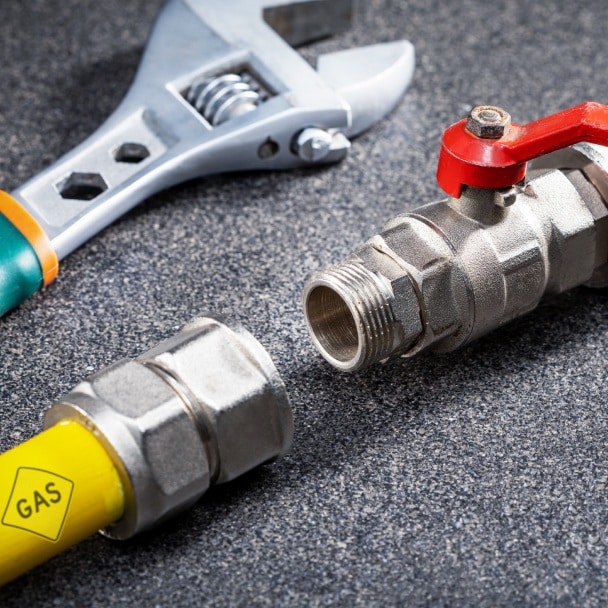
Before you can fully appreciate the importance of gas line repair, or why professional service is essential, it helps to understand how a typical residential gas system works. Your gas line setup might be hidden behind walls, underground, or tucked into utility spaces, but every component plays a vital role in safely delivering fuel to your appliances.
Gas Meter / Regulator
This is where the utility company’s gas supply connects to your home. The gas meter measures how much gas you use, while the regulator controls and reduces the gas pressure to a safe, usable level for residential systems. If the regulator malfunctions, it can either choke your gas supply or allow too much pressure, both of which can cause serious issues inside the home.
Main Gas Line
After the regulator, the gas travels through the main gas line. This larger pipe distributes gas from the meter to various areas of your home. It’s typically routed underground or along the foundation and serves as the backbone of your entire gas delivery system
Branch Lines / Appliance Lines
Branch lines extend from the main gas line and direct gas to specific appliances, such as your water heater, stove, furnace, dryer, or fireplace. These pipes are usually smaller in diameter and must be carefully sized to ensure each appliance receives the correct gas flow without overloading the system.
Fittings, Valves & Joints
At every turn, intersection, or connection point, there are fittings like elbows, tees, couplings, and shutoff valves. These joints are common failure points and must be installed with precision. Improper sealing, aging gaskets, or loose threads can all lead to leaks.
Materials Used
Gas lines can be made from several types of materials, each with its own pros and cons:
- Black steel is the traditional standard for durability but is prone to rust over time.
- Galvanized steel offers corrosion resistance but is rarely used for new installations due to code changes.
- Copper was once common but is now discouraged or restricted in many areas due to corrosion and compatibility concerns.
- Corrugated Stainless Steel Tubing (CSST) is a flexible, modern alternative that’s easier to install and allows for fewer joints, reducing leak risks.
Regardless of the material used, every part of the system must be properly sized, sealed, supported, and tested to ensure safety, efficiency, and compliance with building codes.
Understanding your home’s gas system is the first step in knowing how to protect it. Whether you’re adding a new appliance or suspecting a leak, being familiar with how the system works can help you communicate clearly with your plumber, and make informed decisions about repairs or upgrades.
Common Causes of
Gas Line Issues
Gas line systems are built to last, but they aren’t immune to wear and tear. Over time, various factors can weaken your gas lines and lead to dangerous leaks, inefficiencies, or complete failures. Understanding the root causes helps homeowners recognize risks and act before a minor issue turns into a serious hazard. Here are the most common culprits behind gas line problems:
Corrosion & Rust
One of the leading causes of gas line failure is corrosion. Metal pipes, especially those installed underground or in damp environments, are highly susceptible to rust. As the pipe walls corrode, they become thin and brittle, increasing the risk of cracks and leaks. Without protective coatings or modern materials, older lines are particularly vulnerable.
Loose or Failing Joints and Fittings
Gas lines rely on tightly sealed joints and fittings to maintain consistent pressure and prevent leaks. Over time, natural expansion and contraction due to temperature changes, settling foundations, or household vibrations can loosen these connections. Even a small amount of movement can cause micro-leaks that grow worse with time
Physical Damage
Perhaps the most immediate and obvious cause of gas line issues is direct physical damage. Excavation work, fence installation, home remodeling, or even landscaping can accidentally cut or crush underground gas lines. Heavy equipment, tree roots, and shifting soil can also damage piping, especially in areas where lines are buried shallow or unprotected.
Aging & Material Failures
If your home was built several decades ago, there’s a chance your gas system still uses outdated materials like galvanized steel or iron. These older pipes may no longer meet today’s safety standards and are more prone to degradation. Over time, natural wear and tear can make them unsafe, even if they haven’t failed yet.
Poor Installation or DIY Errors
Gas line installation is a job for licensed professionals, not a DIY project. Mistakes like using incompatible materials, mismatched threading, poor sealing techniques, or improper sizing can lead to gas leaks, pressure problems, or even dangerous buildups of gas. Even minor missteps can have serious consequences, including carbon monoxide exposure or explosions.
Pressure Fluctuations or Over-Pressurization
Gas systems are designed to operate at specific pressures. If the pressure exceeds safe limits, whether due to appliance malfunction, faulty regulators, or utility issues, it can stress the pipes and joints beyond their tolerance. This over-pressurization can result in cracks, ruptures, or failure at the weakest points in the line.
Identifying the exact cause of a gas line issue is the first step toward a safe, effective repair. At Paynes Plumbing & Electric, our licensed technicians are trained to diagnose problems at their source, ensuring long-term solutions that protect your home and family.
Early Signs You Need
Gas Line Repair Services
Catching gas line issues early can prevent dangerous situations and save you from expensive repairs down the road. Whether the problem is minor or critical, quick detection and action can make all the difference. Here are the most common signs that it’s time to call a professional for gas line repair:
Rotten Egg or Sulfur Smell
This is the most well-known and serious warning sign. Natural gas is odorless, but utility companies add a chemical called mercaptan that gives it a distinct rotten egg or sulfur-like smell to help detect leaks. If you notice this smell indoors or near appliances, leave the area immediately and contact a licensed plumber or emergency services. Don’t turn on lights, use electrical devices, or stay in the home.
Hissing or Whistling Sounds
If you hear a hissing or whistling noise near a gas line, appliance, or wall, it could mean gas is escaping under pressure. These sounds are often subtle but can indicate a leak at a joint or fitting. This is a red flag and requires immediate attention from a trained technician.
Dead or Dying Vegetation
If you notice patches of grass or landscaping that are dying for no clear reason, especially if it’s directly above where gas lines run, it may be caused by an underground leak. Escaping gas can suffocate plant roots and kill vegetation over time.
Unexplained Increase in Gas Bills
A sudden spike in your gas bill without a change in usage habits can be a sign of a leak. Even small leaks can waste significant amounts of gas, leading to higher monthly costs.
Poor Appliance Performance
Are your gas-powered appliances acting up? Issues like weak burner flames, inconsistent heat, or pilot lights that won’t stay on could be caused by low gas pressure or restricted flow due to a leak or blockage in the line.
Health Symptoms
Low-level gas exposure indoors can cause symptoms like headaches, dizziness, fatigue, difficulty breathing, or nausea. These symptoms may improve when you leave the house, then return when you come back. If more than one person experiences this at the same time, gas exposure should be considered as a possible cause.
Visible Rust, Cracks, or Damage on Pipes
Exposed gas lines, often found in basements, utility rooms, or near appliances, should be inspected regularly. Look for signs of rust, corrosion, cracking, or dents. These physical symptoms often indicate that the pipe is weakened and could soon fail.
If you notice any of these signs, don’t wait. Gas line problems are not something you can postpone or attempt to fix on your own. The safest route is always to contact a licensed professional, like the team at Paynes Plumbing & Electric, to inspect and diagnose the issue before it becomes a major hazard.
What Happens During a Gas Line Repair
When it comes to gas line repair, precision, safety, and experience are essential. At Paynes Plumbing & Electric, our licensed professionals follow a proven, step-by-step process to ensure your gas system is restored safely and up to code. Here’s what you can expect during a typical repair:
Initial Assessment & Safety Precautions
We begin by shutting off the gas supply at the main valve or meter to prevent any potential hazards. The area is then ventilated, especially if the suspected leak is indoors. This may include opening windows and ensuring people and pets exit the space. Our team uses soap-bubble tests or electronic gas detectors to locate the source of the leak quickly and accurately.
Pressure Testing & Leak Detection
Once the leak area is identified, we perform pressure testing using specialized gauges to determine the extent of the issue. This involves sealing the system and measuring for any drop in pressure over time. Depending on the environment and complexity, we may also use electronic sensors or inert tracer gases to locate smaller, hidden leaks.
Isolation of the Faulty Segment
After locating the problem, we isolate the damaged section of the pipe. In some cases, temporary bypass lines may be set up to keep service running in unaffected parts of the home while repairs are underway.
Repair or Replacement of Damaged Parts
If the damage is minor, we’ll remove and replace the faulty segment using gas-rated piping and connectors. Severe damage or aged piping may require more extensive replacement. All connections are sealed with code-approved compounds and tightened to exact torque standards.
Final Testing, Inspection & Documentation
The repaired section is tested under pressure with inert gas to confirm that the issue is resolved. When necessary, certified inspectors verify the work. We then rebury pipes, restore disturbed areas, and provide full documentation for your records.
Most gas line repairs are completed within a few hours, depending on accessibility and the extent of damage.
When Repair Isn’t Enough: Replacement & Upgrades
While many gas line issues can be resolved with targeted repairs, there are situations where a complete replacement is not only necessary, it’s the safer, smarter, and more cost-effective long-term solution. If your home has aging infrastructure, outdated materials, or recurring leaks, replacement may be the right choice.
Full Replacement
Over time, gas lines naturally degrade due to corrosion, ground shifting, or general wear and tear. If your system is several decades old, made of outdated materials, or has been patched multiple times, full replacement may be the safest option. Severely corroded or damaged lines can’t always be repaired to code, and continued use could put your property and family at risk. Full replacement ensures your system is modern, secure, and compliant with current standards.
Rerouting or Upgrading Lines
Modern appliances often require higher gas flow rates or different connection types than older models. In these cases, rerouting or upsizing your gas lines may be necessary to avoid pressure drops or appliance malfunctions. Upgrading materials, such as switching from galvanized steel to flexible, corrosion-resistant CSST (Corrugated Stainless Steel Tubing), can also improve safety and performance. These upgrades are especially common during home renovations, additions, or HVAC system overhauls.
Trenchless Gas Line Replacement
In some cases, trenchless technology allows for pipe replacement with minimal disruption to landscaping, driveways, or hardscaping. This method involves inserting a new pipe through the path of the old one, avoiding extensive digging. While not suitable for all properties, it can be a valuable option depending on soil conditions and access points.
Adding New Branches or Appliance Lines
If you’re installing a new gas stove, water heater, fireplace, or outdoor kitchen, additional branch lines may need to be added. This work should be done with precise calculations to ensure balanced pressure across the system and avoid overloading existing lines.
A professional inspection and pressure test will determine whether repair is sufficient or replacement is the better investment. At Paynes Plumbing & Electric, we help you weigh all options, repair vs. replacement, based on safety, cost, long-term value, and code compliance.
Why You Should Always Hire a Professional
Gas line repair is not a DIY project, it’s a job that demands experience, precision, and adherence to strict safety standards. Working with natural gas carries serious risks, and even a small mistake can have life-threatening consequences. Here’s why hiring a professional like F Plumbing & Electric is the safest and smartest choice.
Safety Risks
Improperly handled gas lines can lead to dangerous leaks, fires, or even explosions. Inhaling gas fumes or carbon monoxide exposure can also cause serious health problems. Common DIY mistakes include using the wrong type of pipe or fittings, applying inadequate sealants, and skipping vital pressure tests after repairs. Licensed professionals are trained to detect leaks accurately, control gas flow safely, and use advanced diagnostic equipment to ensure the repair is secure before restoring service.
Regulatory & Code Compliance
Gas work is heavily regulated for a reason. Licensed plumbers and gas technicians must follow local and state building codes, use approved materials, and pull the proper permits when required. If you attempt a repair without following these guidelines, you could face code violations, void your home insurance, or even fail future home inspections. Professionals make sure every aspect of your gas system meets compliance and safety standards.
Proper Tools & Expertise
Certified technicians use specialized equipment like gas detectors, pressure gauges, and torque-calibrated tools, equipment most homeowners don’t have access to. Their training ensures every joint, fitting, and connection is properly sealed and tested.
Liability, Warranty & Peace of Mind
Hiring a licensed contractor protects you legally and financially. Professional repairs include warranties and liability coverage, meaning if anything goes wrong, you’re not on the hook. Most importantly, you gain peace of mind knowing your gas system is safe, reliable, and certified for everyday use.
In short: when it comes to gas line repair, safety isn’t optional, hire a professional.
Preventive Maintenance & Best Practices
The best way to avoid emergency gas line repairs is through regular maintenance and attention to early warning signs. A proactive approach not only extends the life of your gas system but also keeps your household safe and your energy bills predictable. Here are some essential maintenance tips and best practices every homeowner should follow:
Annual or Bi-Annual Inspections
Scheduling professional inspections once or twice a year is one of the most effective ways to catch small problems before they become major hazards. During these checkups, a licensed technician will inspect exposed piping, test connections, verify pressure levels, and check for corrosion, leaks, or improper fittings. These visits are especially important before the winter season when gas usage typically increases.
Prompt Attention to Any Warning Sign
If you smell gas, hear a hissing sound near a pipe or appliance, or notice that your appliances are behaving erratically, don’t ignore it. These signs often indicate a leak or malfunction that could escalate quickly. Acting immediately can prevent dangerous situations like fires, explosions, or carbon monoxide poisoning. Always treat gas issues with urgency and call a licensed professional, never attempt DIY fixes.
Ensure Proper Ventilation & Airflow
Combustion appliances like gas furnaces, water heaters, stoves, and dryers require proper ventilation to operate safely. Blocked flues, sealed vents, or poor airflow can cause dangerous gases like carbon monoxide to build up indoors. Make sure all ventilation pathways are clean, unblocked, and properly routed. This includes exterior vent hoods and interior ducts that can collect dust, debris, or even bird nests.
Monitor Gas Bill Trends
Keep an eye on your monthly utility bills. A sudden or unexplained spike in your gas usage may indicate a hidden leak or an inefficient system. If your appliances haven’t changed but your bills have, it’s worth scheduling a system check to rule out leaks or pressure problems.
Proper Landscaping & Excavation Awareness
Many gas lines are buried underground, and accidental damage is common during yard work or construction projects. Before digging near your home, for fence posts, landscaping, irrigation, or new construction, always call a utility locator service. Marking the location of underground lines can prevent costly damage, service interruptions, or life-threatening leaks.
Avoid Corrosive Environments
Gas lines, especially older metal ones, are vulnerable to corrosion when exposed to moisture, chemicals, or acidic soils. If any part of your gas line is exposed, be sure it’s protected from standing water, chemical runoff, or other environmental factors. In high-risk areas like basements or crawlspaces, ensure lines are elevated, sealed, or upgraded with corrosion-resistant materials such as coated piping or CSST (Corrugated Stainless Steel Tubing).
Use Qualified Professionals for System Changes
Whenever you’re planning to move, upgrade, or install new gas appliances, it’s critical to involve a licensed plumber or gas technician. Professionals ensure that new lines are properly sized, routed, and sealed, and that appliance connections are safe and code-compliant. This is especially important when converting from electric to gas systems, installing new gas-powered HVAC equipment, or rerouting gas lines for home renovations.
Bonus Tip: Install a Gas Leak Detector
For added peace of mind, consider installing electronic gas leak detectors in high-risk areas like kitchens, laundry rooms, basements, and utility closets. These devices can alert you to the presence of natural gas or carbon monoxide before it’s detectable by smell or symptoms, buying you valuable time to respond.
Following these best practices can significantly reduce the risk of gas-related emergencies and extend the lifespan of your home’s gas infrastructure. And when in doubt, remember: gas line systems are no place for guesswork. If something doesn’t seem right, call the experts at Paynes Plumbing & Electric for a professional inspection or consultation. Your safety is worth it.
Gas Line Repair Service
Gas line issues are high-stakes situations, and we treat them that way. At Paynes Plumbing & Electric, we’ve designed our service process to deliver safe, reliable, and stress-free results from start to finish. Here’s what you can expect when you trust us with your gas line repair:
Free Pre‑Inspection & Consultation
It all starts with a no-pressure, no-obligation consultation. One of our experienced technicians will arrive on-site to assess your concern, whether it’s a suspected leak, appliance malfunction, or an older system needing inspection. We’ll listen carefully, examine the area, and walk you through the possible causes and solutions so you’re fully informed from the beginning.
Safety First
Before any work begins, we prioritize safety. We isolate gas flow to the affected zone, ventilate the area to disperse any lingering fumes, and perform advanced leak detection using industry-grade tools. Our technicians follow strict safety protocols to ensure the protection of your household and property during every step of the repair.
Transparent Diagnosis & Estimate
Once we pinpoint the issue, we provide a clear explanation of the problem and outline your repair options, whether it’s a minor fix, segment replacement, or full system overhaul. We offer a detailed, written quote with no hidden fees, so you can make decisions with total clarity and confidence.
Skilled Execution
With your approval, we move forward using the best materials and proven methods. Our team uses proper pipe thread sealing, torque-calibrated fittings, and pressure regulation practices to restore your gas system safely and efficiently. Whether it’s exposed piping, underground lines, or connections to major appliances, we handle every detail with precision.
Rigorous Testing & Final Inspection
After the repair is completed, we run high-pressure tests using inert gases to confirm the integrity of the system. We monitor for any pressure loss and verify that all connections are leak-free and fully secure. The job isn’t finished until the system passes inspection and meets or exceeds local code requirements.
Cleanup & Property Restoration
We treat your home with the same respect we’d treat our own. If any digging or access work was done, we carefully refill trenches, patch surfaces, and restore landscaping wherever possible. We clean up thoroughly, leaving the work area neat and hazard-free.
Follow-up & Preventive Maintenance Advic
After the job is complete, we don’t just pack up and leave. We walk you through what we’ve done, explain any watch-out signs to keep an eye on, and offer tips to prolong the lifespan of your gas system. We can also schedule periodic inspections to help prevent future issues before they start.
This full-circle approach ensures your gas line repair isn’t just a quick fix, it’s a long-term solution backed by safety, expertise, and care.
Regional Considerations in Knoxville, TN
Knoxville isn’t just where we work, it’s our home. That local knowledge gives us a serious advantage when it comes to diagnosing and repairing gas line issues that are specific to East Tennessee homes. Here’s how our regional insight helps us deliver better results:
Soil and Clay Conditions
The type of soil around your property affects how your gas lines age. Knoxville’s mix of clay and loamy soil can retain moisture, which accelerates underground corrosion on metal pipes. Additionally, expansive clay can shift and stress pipes during wet-to-dry seasonal transitions. We account for this when choosing materials and recommending repair methods.
Code and Permitting Requirements
Plumbing codes aren’t just universal, they’re local. Our technicians stay up-to-date on Knoxville’s municipal plumbing codes, state licensing requirements, and inspection protocols. We ensure all repairs and replacements are properly permitted and inspected so your home remains safe and compliant with Tennessee regulations.
Climate Variations and Seasonal Stress
Knoxville winters bring freezing temperatures that can contract the soil, stressing buried lines and increasing the risk of cracks or joint separation. We take freeze-thaw cycles into account when making underground gas line repairs, ensuring fittings and pipes are flexible and strong enough to handle seasonal changes.
Aging Housing Stock
Many homes in Knoxville’s older neighborhoods were built decades ago using outdated plumbing and gas systems. These legacy gas lines often lack proper insulation, support, or pressure regulation. We’re experienced in evaluating aging infrastructure and recommending modern upgrades that enhance both safety and performance.
By combining our technical expertise with regional experience, we offer smarter, longer-lasting gas line repair solutions tailored to Knoxville’s unique environment.
Why Choose Paynes Plumbing & Electric for Gas Line Repair
Licensed & Experienced Technicians
Our team of licensed, insured professionals includes experienced emergency plumbers who are specially trained to handle gas line systems safely and efficiently. Gas line repair isn’t a task for general handymen, it demands expert knowledge of pressure ratings, proper fittings, local codes, and advanced safety procedures. With years of hands-on experience and a commitment to quick, reliable service, our technicians ensure that your gas system is repaired correctly, safely, and ready to perform when you need it most.
Code-Compliant Work
Every gas line repair or installation we perform meets or exceeds the local plumbing codes for Knoxville and the surrounding areas. That means your project is handled with all the necessary permits, inspections, and documentation in place. You won’t have to worry about surprise violations or failed inspections, we do it right the first time.
Safety-First Approach
Safety is not a buzzword for us, it’s a mindset. We begin every gas line repair with a thorough risk assessment. That includes leak detection, pressure testing, ventilation strategies, and isolation of the gas supply when necessary. From start to finish, our process minimizes risk to your property, family, and surrounding areas.
Transparent Estimates
We believe trust starts with clarity. When you call us for gas line work, you’ll get a detailed, itemized estimate that spells out what we’re doing and why. No vague “ballpark” quotes, and no surprise charges after the job is done. You’ll always know exactly what you’re paying for, and we’ll explain every step in simple terms.
Local Expertise
As a Knoxville-based company, we understand the regional conditions that affect gas systems. From shifting Tennessee soils to seasonal freeze/thaw cycles, to aging infrastructure in historic homes, our local experience helps us anticipate issues others might miss. We don’t just work in Knoxville, we live here, too.
Full-Service Plumbing & Electric Provider
Gas line repair often goes hand-in-hand with systems like water heaters, dryers, and kitchen ranges. A leak or pressure issue can directly impact appliance performance, especially your water heater. At Paynes Plumbing & Electric, we’re fully equipped to handle both gas line and water heater repair in-house, giving you faster service, fewer contractors, and a smoother experience from start to finish.
How to Proceed / Next Steps
If you’re experiencing issues like strange odors, weak appliance performance, or high gas bills, don’t wait, gas leaks are serious. Here’s how to move forward safely and efficiently:
Reach Out Through Our Website
Visit the contact page on our site to fill out a brief service request form. Describe your concern, and we’ll get back to you promptly to schedule an appointment.
Request a Gas Line Safety Inspection or Consultation
Whether you suspect a problem or just want peace of mind, our team can perform a complete inspection of your gas system. We check for leaks, corrosion, pressure imbalances, and any code violations.
Review Your Custom Repair Plan
Once we’ve completed our assessment, we’ll explain your options clearly, whether it’s a simple repair, a targeted pipe replacement, or a complete system upgrade. We’ll walk you through the risks, benefits, and estimated timeline of each path.
You Decide, We Execute
There’s no pressure, once you approve the work, we get started. All repairs are carried out with strict attention to safety, building codes, and your schedule. We’ll communicate throughout the process, test everything before completion, and provide full documentation when the job is done.
Gas Line Repairs
Frequently Asked Questions
Ready to Restore Safety and Comfort?
Don’t wait for a small issue to turn into a major emergency. If you suspect a gas line problem or need expert service for your water heater or appliances, trust the licensed professionals at Paynes Plumbing & Electric. We’re here to make your home safer, more efficient, and worry-free.
Request your gas line inspection or repair service today. Peace of mind is just a click away.
Areas We Serve
Contact Our Team Today
At Paynes Plumbing & Electric, we’re here to help you keep your home secure and your mind at ease. Contact us today to schedule your gas line repair in Corryton, TN and experience the peace of mind that comes with professional care.