
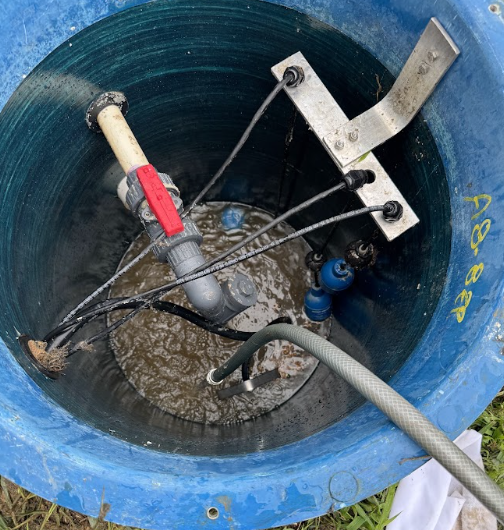
Is It Normal for a Septic Tank to Smell?
Is It Normal for a Septic Tank to Smell?
A brief septic odor near a roof vent may be normal because the plumbing system must release gases as wastewater moves through it. However, persistent sewage or rotten egg smells inside the house, near the septic tank or across the drain field are not normal and may indicate a blocked vent, dry drain trap, loose tank cover, plumbing leak or failing septic system.
The location, strength and duration of the odor can help identify its source. A smell that appears occasionally near a roof vent is very different from sewage odor inside a bathroom or wastewater odor accompanied by wet ground over the drain field.
Do not try to solve a recurring septic smell by pouring chemicals into drains or adding septic tank additives. The source should be identified before the problem becomes more serious.
Why Does My Septic Tank Smell?
Septic systems naturally produce gases as bacteria break down household wastewater. Those gases may include hydrogen sulfide, methane, ammonia and carbon dioxide.
A properly operating plumbing and septic system directs these gases outside through its venting system. You generally should not smell strong septic odors inside the house or continuously around the tank and drain field.
Common causes of septic tank smells include:
- Normal discharge from a plumbing vent
- A blocked or poorly positioned vent pipe
- A dry plumbing trap
- A loose or damaged septic tank lid
- An overdue septic tank pumping
- A blocked household drain
- A damaged sewer pipe
- A failing drain field
- Excess wastewater entering the system
- A sewage ejector or septic pump problem
- Changes in wind or air pressure
The U.S. Environmental Protection Agency explains that some odor may come from a roof vent or another vent pipe that allows system pressure to equalize. However, blocked or frozen vents can cause odors to appear inside or outside the home.
Is It Normal for a Septic Tank to Smell Outside?
A faint, occasional odor near a roof vent can be normal. A persistent septic smell near the tank, drain field, foundation or outdoor living area is not something to ignore.
The location of the smell provides an important clue.
| Where You Notice the Smell | Possible Cause | What to Look For |
|---|---|---|
| Near the roof | Normal venting, wind conditions or a blocked vent | Odor that appears during certain weather conditions or near an obstructed vent opening |
| Near the septic tank | Loose cover, damaged seal, overdue pumping or tank problem | Strong odor around the access lid, wet soil or visible wastewater |
| Across the drain field | Overloading, poor drainage or drain field failure | Soggy ground, standing water or unusually green and spongy grass |
| Near the foundation | Damaged sewer line, plumbing vent problem or gases entering the home | Odor near crawl-space openings, plumbing penetrations or cracked piping |
| Near a pump or alarm system | Pump chamber, sewage ejector or electrical failure | An alarm, wastewater backup or a pump that is not operating |
Odor around a recently pumped tank may occur briefly while the system is opened and serviced. It should not remain strong for an extended period after the covers have been properly replaced and sealed.
Why Does My Septic Tank Smell Outside?
The Plumbing Vent Is Releasing Gas
Your plumbing vent allows gases to escape above the roof and helps maintain proper pressure in the drainage system.
Wind, humidity and atmospheric pressure can occasionally push those odors toward the ground. Nearby trees, rooflines or additions may also affect how gases disperse.
A brief outdoor smell near the vent does not necessarily mean the septic system is failing. Persistent odor around doors, windows or outdoor living areas may mean the vent needs to be inspected or extended.
The Vent Pipe Is Blocked
Leaves, debris, animal nests, ice or other obstructions can restrict a plumbing vent.
A blocked vent can interfere with drainage and redirect sewer gas toward fixtures or other openings. Symptoms may include:
- Gurgling drains
- Slow drainage
- Toilet water levels changing
- Sewer smells inside the house
- Odor near the vent opening
Roof work can be hazardous, so vent inspection should be left to a qualified professional when it cannot be completed safely from the ground.
The Septic Tank Cover Is Loose or Damaged
Septic tank access covers must be secure and properly sealed.
Odors may escape when a cover is:
- Cracked
- Shifted
- Poorly fitted
- Missing a seal
- Damaged by lawn equipment
- Improperly replaced after pumping
A septic tank cover is also an important safety barrier. Never leave an access opening exposed or attempt to enter a septic tank.
The Tank Needs to Be Pumped
Solid material accumulates inside a septic tank over time. If the tank is not inspected and pumped as needed, solids may reduce its working capacity and move toward the drain field.
Odor alone cannot determine whether pumping is overdue, but it becomes more concerning when accompanied by:
- Slow drains
- Gurgling
- Sewage backups
- Wet ground near the tank
- Drain field odor
- A history of infrequent pumping
The EPA says a typical household septic system should generally be inspected at least every three years, while septic tanks are commonly pumped every three to five years. The correct schedule depends on tank size, household size, water use and the amount of solids entering the system.
The Drain Field Is Overloaded or Failing
The drain field receives wastewater from the septic tank and allows it to filter through the soil.
Odor may develop when the drain field cannot accept or treat wastewater properly. Warning signs include:
- Standing water
- Soggy or muddy soil
- Sewage surfacing above the drain field
- Strong persistent odor
- Unusually green or spongy grass
- Slow drains throughout the home
- Wastewater backing up indoors
Heavy rain can temporarily saturate the soil and reduce the drain field’s ability to accept water. Continued odor or standing wastewater after conditions improve requires professional evaluation.
Is a Septic Smell in the House Normal?
No. A persistent septic or sewer smell inside the house is not normal.
The smell may come from the septic system, but it can also originate in the home’s plumbing.
Why Does My House Smell Like Septic or Sewer Gas?
A Drain Trap Has Dried Out
Sinks, tubs, showers and floor drains contain curved traps that hold water. This water creates a barrier that prevents sewer gas from entering the room.
A trap can dry out when a fixture is rarely used.
Run water into an unused sink, shower, tub or floor drain. If the smell disappears, a dry trap may have been the cause.
A trap that repeatedly loses water may indicate a leak, siphoning or venting problem.
A Toilet Seal Is Leaking
The seal between the toilet and drain pipe can fail, allowing sewer gas to escape even when no water is visible.
Possible signs include:
- Odor concentrated around the toilet base
- A toilet that rocks
- Moisture around the base
- Staining on the floor or ceiling below
- Smell that becomes stronger after flushing
Replacing the seal requires removing and correctly resetting the toilet.
A Drain or Sewer Pipe Is Damaged
Cracked, loose or disconnected piping can release odor into a wall, floor, basement or crawl space.
The smell may be strongest near:
- Plumbing walls
- Utility rooms
- Basements
- Crawl spaces
- Floor drains
- Sewage ejector systems
A plumbing inspection, smoke test or camera inspection may be needed to locate the opening.
A Sewage Ejector or Pump Basin Is Not Sealed
Homes with basement bathrooms or fixtures below the main drain may use a sewage ejector pump.
The basin must be properly sealed and vented. A loose cover, failed gasket or damaged vent connection may allow odor into the home.
Why Does It Smell Like Sulfur Outside?
A rotten egg or sulfur smell is commonly associated with hydrogen sulfide, a gas produced as organic material decomposes.
However, not every sulfur odor comes from a septic system. Other possible sources include:
- Well water
- Water heaters
- Natural gas odorant
- Marshy soil
- Industrial or agricultural activity
- A municipal sewer
- Decaying organic material
If the odor appears only when hot water runs, the water heater may be involved. If both hot and cold water smell, the water supply may need testing.
A suspected natural gas leak requires immediate action. Leave the area, avoid switches, flames and electrical devices, and contact the gas utility or emergency services from a safe location.
What Does a Failing Septic System Smell Like?
A failing septic system may produce a strong sewage, rotten egg or sulfur-like odor near the tank, drain field or plumbing fixtures.
The odor is more concerning when it occurs with other signs of septic trouble:
- Sewage backing up into drains
- Multiple slow fixtures
- Gurgling toilets
- Standing water over the system
- Muddy soil near the tank or drain field
- Bright green, spongy grass over the drain field
- A septic alarm
- Wastewater appearing at the surface
The EPA identifies wastewater backups, bright green or spongy drain field grass, pooling water and strong odors near the tank or drain field as possible signs of a malfunctioning system. (Source)
Do not walk through or allow children and pets near surfacing sewage.
How Do I Get My Septic Tank to Stop Smelling?
The correct solution depends on the odor’s source.
Check Rarely Used Drains
Run water into unused sinks, tubs, showers and floor drains to refill dry traps.
Reduce Excess Water Use
Avoid placing large amounts of water into the system within a short period.
Spread out:
- Laundry
- Dishwasher cycles
- Showers
- Other heavy water use
Repair running toilets and leaking fixtures that continually send water into the septic system.
Have the Venting Inspected
A plumber can check for blocked, damaged or poorly positioned vents and determine whether gases are being directed toward windows or outdoor living areas.
Inspect the Tank Cover
A septic professional can check the access cover, risers and seals without exposing homeowners to the hazards of an open tank.
Have the Tank Inspected and Pumped
If the tank has not been serviced according to an appropriate schedule, arrange for a septic inspection.
Pumping may be necessary, but pumping alone will not repair a blocked line or failing drain field.
Correct Drain Field Problems
A saturated or failing drain field requires professional diagnosis. Reducing water use may provide temporary relief, but it is not a permanent repair for damaged or unsuitable soil absorption components.
Do Not Rely on Septic Additives
Products marketed to eliminate odor or reduce pumping needs may not solve the underlying problem.
The EPA states that septic additives are generally unnecessary because the bacteria needed for treatment are already present in household wastewater. Some additives may be ineffective or potentially harmful to the system.
How Long Does It Take for Septic Tank Smell to Go Away?
The answer depends on the cause.
A smell caused by a dry drain trap may improve shortly after water refills the trap. Odor from a recently opened tank should begin dissipating after the tank is closed and the surrounding air clears.
A smell caused by a blocked vent, leaking seal, damaged pipe, full tank or failing drain field will usually continue until the underlying problem is corrected.
Ventilating a room may temporarily reduce the smell, but it will not stop sewer gas from returning through an open plumbing connection.
Can Septic or Sewer Gas Make You Sick?
Sewer gas can contain several gases, including hydrogen sulfide. At lower concentrations, exposure may cause eye or respiratory irritation, headache, nausea or dizziness. High concentrations can be extremely dangerous.
The Occupational Safety and Health Administration warns that hydrogen sulfide exposure can range from eye irritation and headaches to unconsciousness and death at high concentrations. It also warns that people can lose the ability to smell hydrogen sulfide, so odor should not be relied upon as a safety indicator.
Ordinary outdoor septic odor does not automatically mean a homeowner is experiencing a dangerous concentration. However, a strong indoor smell accompanied by symptoms should be treated seriously.
Leave the area and seek help when anyone experiences:
- Sudden headache
- Dizziness
- Nausea
- Confusion
- Trouble breathing
- Eye or throat irritation
- Fainting
Never enter a septic tank, pump chamber, manhole or other confined wastewater space. These spaces can contain deadly gases and insufficient oxygen even when no strong odor is present.
When Should You Call a Septic or Plumbing Professional?
Arrange an inspection when:
- Septic odor persists inside the home
- The smell is strong near the tank or drain field
- More than one drain is slow
- Toilets or drains are gurgling
- Sewage is backing up
- Water is pooling above the system
- The drain field is unusually wet or green
- A septic alarm is sounding
- The septic lid is loose or damaged
- The odor returns after temporary fixes
- You do not know when the tank was last inspected or pumped
Septic smells may begin as an inconvenience, but they can also warn of a developing plumbing or wastewater problem.
Frequently Asked Questions
Is It Normal for a Septic Tank to Smell?
A brief odor near a roof vent may be normal. Persistent odor inside the house, around the septic tank or over the drain field is not normal and should be investigated.
Is It Normal for a Septic Tank to Smell Outside?
Occasional vent odor can occur outdoors, especially during certain wind or weather conditions. Strong or recurring odor near the tank, drain field or foundation may indicate a problem.
Why Does My Septic Tank Smell?
Possible causes include normal venting, a blocked vent, dry trap, loose tank lid, overdue pumping, damaged plumbing, excess water use or drain field failure.
How Do I Get My Septic Tank to Stop Smelling?
The source must first be identified. Solutions may include refilling a dry trap, clearing a plumbing vent, repairing a toilet seal, securing the tank cover, pumping the tank or correcting a drain field problem.
What Are the First Signs of Sewer Gas Exposure?
Possible symptoms include headache, dizziness, nausea and irritation of the eyes, nose or throat. Leave the area and seek assistance if a strong indoor odor is accompanied by symptoms.
Does a Septic Smell Mean the Tank Is Full?
Not necessarily. A full tank is one possible cause, but odors can also result from venting, dry traps, damaged seals, plumbing leaks or drain field problems.
Will Pumping the Septic Tank Remove the Smell?
Pumping may solve odor caused by an overloaded tank, but it will not fix a blocked vent, damaged pipe, leaking toilet seal or failing drain field.
Can Heavy Rain Cause Septic Odors?
Yes. Saturated soil can temporarily interfere with drainage and gas movement. Persistent odor, standing water or sewage surfacing after heavy rain should be professionally evaluated.
Get Help With Septic Smells and Plumbing Problems
A septic odor may come from something as simple as a dry drain trap, but it can also indicate a blocked vent, damaged pipe, overloaded tank or failing drain field.
Payne’s Plumbing & Electric can inspect the plumbing and septic components connected to the problem, identify the likely source and explain the appropriate next step. We provide free estimates and do not charge a travel fee within our service area.
We serve homes and businesses throughout Knox County and surrounding East Tennessee counties, including Anderson, Blount, Loudon, Roane, Sevier, Jefferson, Grainger and Union counties.
Contact Payne’s Plumbing & Electric when septic or sewer odors persist inside or outside your property.
References
- U.S. Environmental Protection Agency. Resolving Septic System Malfunctions
- U.S. Environmental Protection Agency. Frequent Questions on Septic Systems
- U.S. Environmental Protection Agency. How to Care for Your Septic System
- Occupational Safety and Health Administration. Hydrogen Sulfide
- Agency for Toxic Substances and Disease Registry. Hydrogen Sulfide: ToxFAQs
About the Author: John “JP” Payne
John “JP” Payne is the founder of Payne’s Plumbing & Electric and a licensed plumbing professional with many years of hands-on experience serving homeowners and businesses throughout Knoxville and East Tennessee. As the leader of a local, family-owned company, JP brings practical field knowledge, a strong understanding of local plumbing systems and a commitment to honest recommendations, quality workmanship and dependable service.